Tag: Fishing

Fishing Alta LakeFishing Alta Lake

3 Comments

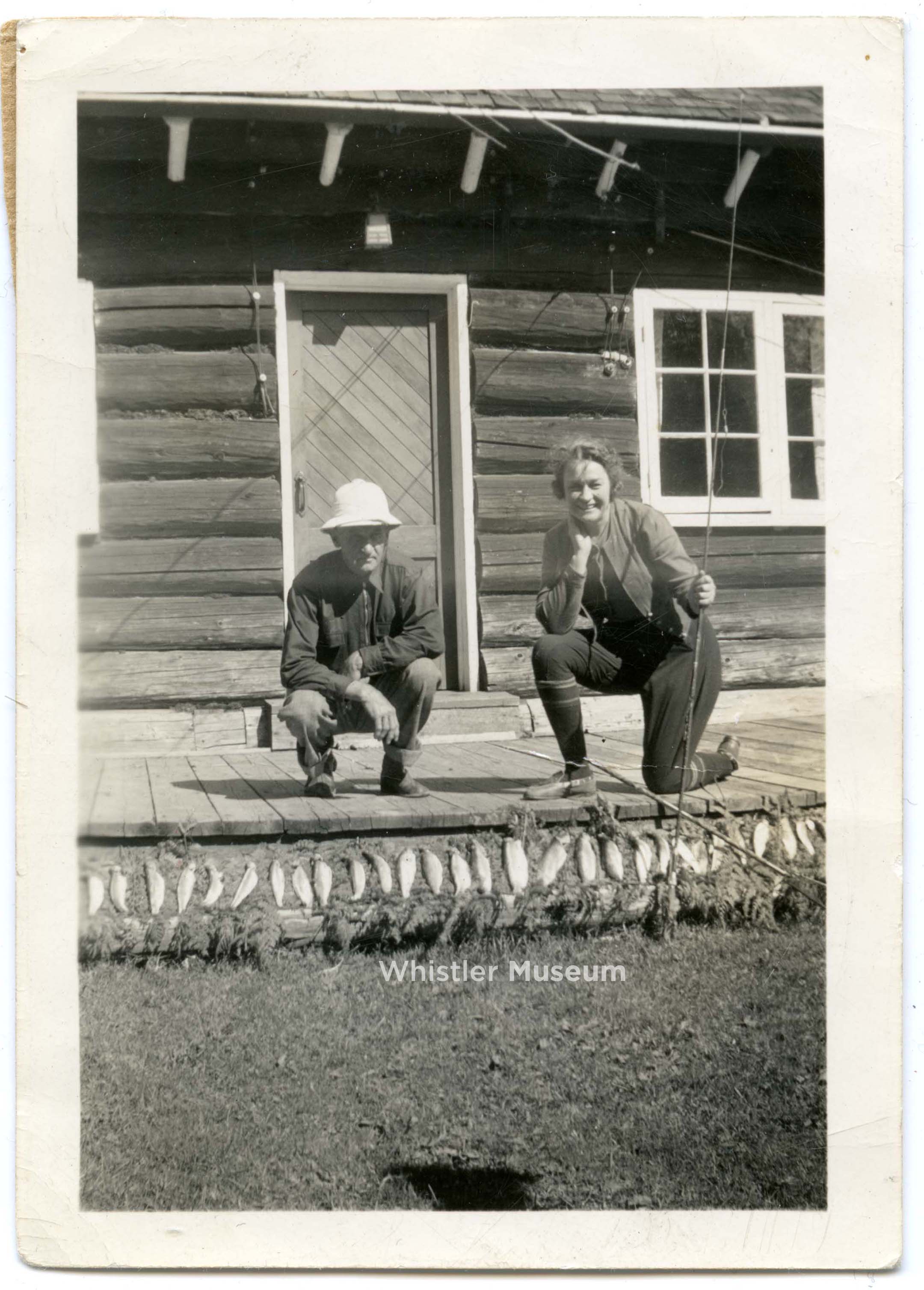
Before Whistler became known as a ski resort, Alta Lake was known as a summer and fishing destination, drawing visitors and summer residents each year to join the relatively small population of residents who stayed in the area throughout the year. Summers were busy and groups such as the Alta Lake Community Club (ALCC) and Alta Lake Sailing Club regularly hosted events during the season, including dances, regattas, and a Fish Derby.

Fishing was a popular activity for both residents and visitors to Alta Lake and getting to eat what they caught could turn into a social occasion. For David Fairhurst, whose parents owned Cypress Lodge and who was a child at Alta Lake in the 1960s and 1970s, fishing was also something to do at a time when there were relatively few children in the area and very few organized activities. As David remembered in an interview earlier this year, “You could go and do your own thing… Myself, I used to spend a lot of time fishing, tromping around the creeks and the lakes and stuff.”

David Fairhurst shows off Pine mushrooms, rather than fish. Whistler Question Collection, 1979.

According to Carol Fairhurst, her brother grew up fishing from “the day that he could see a fish” and he and their father would be out in a boat fishing all the time. Both David and Carol remember there being lots of fish. As David recalled, “Every body of water was teeming with fish” and he would catch Rainbow trout, Dolly Varden, Bull trout, and Kokanee. Most of the fish that David remembered catching were average size trout, though he did remember a few Rainbow trout that were sixteen to eighteen inches long, which were considered “really big fish.”

Some of the fish would be eaten fresh, some frozen, and others smoked. This abundance of fish meant that the freezers at Cypress Lodge and the Fairhurst family home would sometimes fill up. Florence Petersen, who was a close friend and neighbour of the Fairhurst family, wrote in 2006 that “Knowing that Andy [Petersen] liked to BBQ fish on the hibachi, David would come over every so often to ask if it was ‘time for a fish fry?’ We knew that this was the sign that he needed another freezer to store his catch!”

Cypress Lodge, September 1962. Fairhurst Collection.

Fish fries were a good reason for a get-together, whether it was an informal gathering of friends or an official event organized by the ALCC. Carol recalled taking either a dock with a motor or a boat out on Alta Lake and motoring around while people caught fish and they barbecued them on the spot.

John Burge, whose family first stayed at Cypress Lodge in 1956 and then built their own cabin to visit each summer, remembered the ALCC Fish Derby and the big community fish fries that would happen at the end of the summer. Though John didn’t enjoy fishing, his parents did. According to him, “If they got a big fish, they would… take it to Dick [Fairhurst] at Cypress Lodge and it would be frozen. Whoever got the biggest fish would win a prize at the end of the summer.” Although he didn’t recall the specific prize, the 1959 ALCC newsletter announced that the Fish Derby prize would be $10 for the largest Rainbow trout caught in Alta Lake “by any legal method.” All of the fish that had been saved from July through September would be thawed and cooked and eaten on the grass at the Cypress Lodge point.

Other competitions also took place during events at Cypress Lodge, such as pie eating contests. Fairhurst Collection.

As skiing and winters became more popular, fishing and summers became less prominent. Today there are not as many fish in the lakes and creeks and all fishing in Whistler is now catch and release. Fishing is no longer the main draw for visitors but other activities like mountain biking have once again made summer a busy season for the area.

Rafting Through WhistlerRafting Through Whistler

0 Comments

Rafting has long been a favourite summer leisure activity throughout the Whistler Valley. In 1913, Alex and Myrtle Philip bought their 10-acre property on Alta Lake for $700 (where Rainbow Park is today). Rainbow Lodge and the Pacific Great Eastern (PGE) Railway were both completed the next year in 1914, and together they started offering Fisherman’s Excursions. The $6 package deal included train passage and a fully catered weekend of fishing at Rainbow Lodge. When the first group of 24 anglers disembarked the train for the Fishermen’s Excursion, Rainbow Lodge had multiple wooden rafts and one boat that visitors would fish from. The first excursion was a huge success with everyone catching fish. News of the fishing on Alta Lake spread rapidly throughout Vancouver, bringing a continual stream of visitors to Rainbow Lodge in the summer.

Rafting at Rainbow Lodge. Philip Collection.

When Hillcrest Lodge opened in 1946, rafting also played a role in entertaining guests. When new guests arrived at the train station, they would be greeted by current guests in costume and then transported across the lake in a convoy of rafts. During the stay, Hillcrest Lodge offered many organised activities for guests. One of their favourite activities were the musical raft rides around Alta Lake, not unlike those that float around on warm summer days today. Raft rides would also be used to transport locals and guests to and from the Saturday night community hall dances. The community would look forward to these dances and come out in force, with Rainbow Lodge and Hillcrest Lodge sharing the catering for these popular events.

Guests were escorted to Hillcrest Lodge via raft. Mansell Collection.

70 years after Myrtle and Alex bought their land on Alta Lake, the first commercial white water rafting venture in Whistler started. Whistler was still developing as a summer destination when Whistler River Adventures opened in 1983. Asked about how things changed in the rafting business over his 27 years as owner/manager, Brian Leighton was quick to say, “Competition.”

In the early to mid 1980s, anyone could start a rafting company and many more white water rafting companies popped up after Whistler River Adventures. Following some bad rafting accidents in 1987, including 5 people who drowned after their raft overturned on a log jam in the Elaho, the BC provincial government introduced stricter regulations. The regulations introduced mandates for each river, including rules on raft size and guide experience. Although many companies already chose to follow recommended safety guidelines, strict regulations had only been in place for five BC rivers prior to 1987. River-specific tenure for raft companies was also later introduced.

An identified rafting adventure near Whistler, July 1 1984. Helmets and wetsuits are worn today during commercial rafting tours, however the expressions of exhilaration remain unchanged! Whistler Question Collection.

Remembering a trip that would not happen today, Brian recounted a staff tour along the Cheakamus River below Daisy Lake Dam. This area is now closed to commercial groups due to concerns about The Barrier breaking, which could result in massive downstream flooding and landslides from Garibaldi Lake. During the staff trip the raft became stuck on a rock in the middle of the river. A staff member living in the now-gone Garibaldi Township saw a sandal float past on the river downstream of the stranded raft and went to see if everything was okay. Everyone was rescued, although the raft remained stuck. Whistler River Adventures knew the engineer working on Daisy Lake Dam and the following day BC Hydro shut off the dam so that the raft could be retrieved from the rock. It was the eighties after all!

To help us collect and share stories become a Whistler Museum Member today.  Annual membership is $25 for an individual or $40 for a family and can be purchased in the museum or by visiting our website whistlermuseum.org.

Crafts in the Park is Back for 2019!Crafts in the Park is Back for 2019!

0 Comments

Crafts in the Park is back!  Each week we partner with the Whistler Public Library to present a story and craft in Florence Petersen Park.  This year’s theme is “When I Was In Whistler, I Saw…” and each week will feature a different animal, activity or object that could be seen in Whistler, either in the present or in the past!

Crafts in the Park runs on Wednesdays from 11am-noon.  It is a drop-in program for all children ages 4-12, with a chaperone present.

Week 1: July 10

Have you ever seen a beaver in Whistler?  In making their home in the valley, beavers made dams along waterways and changed the landscape for many years to come.  Many of the rivers and streams in Whistler are still the way they are because of beavers.  For our first craft, we’ll be creating cone beavers and paper bag dams.

Week 2: July 17

Traveling to Whistler became a lot easier in 1914 with the arrival of the Pacific Great Eastern Railway.  Instead of 3 days, the trek from Vancouver now took about 9 hours (still a lot longer than we’re used to today).   The railway had a major influence on making Whistler a popular resort destination, and we’ll be making our very own train engines in any colours you want.

Week 3: July 24

For this week, we’ll be collaborating with the Squamish Lil’wat Cultural Centre to make animal headbands!

Week 4: July 31

Alta Lake became a popular fishing destination in 1914 and people caught many different kinds of fish.  Just like those early visitors, we’ll be making our own mini fishing rods and fish.  You’ll even be able to catch these fish with your rod, and fish can be designed however you want!

Week 5: August 7

Before the train came to Whistler, it took 3 days to reach Alta lake.  The first day was spent on a steamboat from Vancouver to Squamish, and from there you would have to walk all the to Whistler, accompanied by a pack horse.  When fishing lodges began opening on Alta Lake, some lodges kept stables and would take guests on rides around the valley.  This week we’ll be making our very own horse, who can stand all by itself!  For ambitious crafters, we’ll also be making clothespin riders.

Week 6: August 14

Sailing has been popular in Whistler for over 100 years and Alta Lake residents enjoyed taking all kids of boats out in the summer.  We’ll be making our own sailboats out of sponges, corks and paper.  Just like real boats, these really do float!

Week 7: August 21

While Whistler is very well known for its winter sports, in the summer mountain biking takes over the town.  This week we’ll be making pipe-cleaner bikes and bikers!

Week 8: August 28

Downhill skiing came to Whistler in the 1960s and has been wildly popular ever since.  Snowboarding was introduced to the hills in the 1980s, and now both sports are found on the mountains each winter.  We’ll be making our very own skiers and snowboarders this week, as we look forward to another snowy winter!

We look forward to seeing you on Wednesdays!

Summer Preparations at Alta LakeSummer Preparations at Alta Lake

0 Comments

With last Friday (June 21) officially marking the beginning of summer, we’ve reached the time when all the plans and preparations for the season come to life.  This change of seasons would have been a particularly busy and expectant time for the residents of Alta Lake in the first half of the 20th century.  Long before Whistler became known internationally as a ski resort, Alta Lake was a popular summer destination that drew short-term visitors and summer residents to join those who stayed in the area year round.

For Alta Lake, summer was the busy season of the year while winters were very quiet. This would change dramatically with the development of Whistler Mountain in the 1960s. Fairhurst Collection.

Sixty years ago Alta Lake had no local government, no newspaper and certainly no Facebook groups to notify residents of the goings on (official or unofficial) in the area.  Social gatherings and community initiatives were often organized through the Alta Lake School and the Alta Lake Community Club (ALCC), founded in the early 1930s and 1926 respectively.  When it came to preparing for an eventful summer, the ALCC played an active role in preparations and kept its members up to date on community efforts through its newsletter, the Alta Lake Echo.

First Alta Lake Community Club picnic on the point at Rainbow. Philip Collection.

The Echo was published from 1958 to 1961 and ran weekly through the summer months of 1959.  At this time it was edited by Don Gow, who brought a personal touch to the sharing of news, the description of events and updates on comings and goings, seemingly of everyone in the valley – this led to some entertaining issues. (In one issue calling for newsletter subscription renewal, Gow threatened to cut off the circulation or, even worse, “we will print your names in the paper and let everyone know how cheap you are.”)

Members of the Alta Lake community began preparing for summer in May with a dance at the Community Hall to kick off events for those in the area.  Before this could happen members of the ALCC were reminded of a “Hall Clean Up Day,” the main purpose of which was to wash and wax the floor.  Those planning to pitch in were urged to bring their own tools and reminded that “the more who show up the quicker we can get fishing.”

By May preparations and repairs were also also underway at the lodges around Alta Lake as they looked forward to welcoming their first guests.  Jack and Cis Mansell returned from a winter presumably spent in warmer climes to ready Hillcrest for the season, and Russ and Maxine Jordan improved the porches at Jordan’s Lodge.  Smitty and Don (surnames were rarely included in the Echo) had plans to rebuild the Mansells’ raft in front of Alta Lake Station, used to ferry guests across the lake.

The first dance of the season, scheduled to start at 9 pm and end “when we’re dang good and ready” over the May long weekend, was well attended and a good time by all accounts.  While Rainbow Lodge had not yet opened, the other lodges and accommodations around the lake were full.  Though many people returned to Vancouver and other cities after the weekend, the ALCC continued planning events through the month.  Weekly dances and shows were scheduled to begin in June and the annual Fish Derby was set to run from July 1 through September 6.  A $10 prize was on the line for the largest Rainbow Trout caught in Alta Lake “by any legal method.”

This Rainbow Trout came out of Alta Lake in the 1980s but is a good indication of what the Fish Derby was looking for. Whistler Question Collection.

Summer was in full swing by July as families returned to their summer cottages and the lodges were filled with those escaping the city.  Work days such as the “Hall Clean Up Day” would resume in the fall and the lodges might undergo more renovations, but until then those at Alta Lake were too busy enjoying all the area had to offer, and the events they had planned for so long.